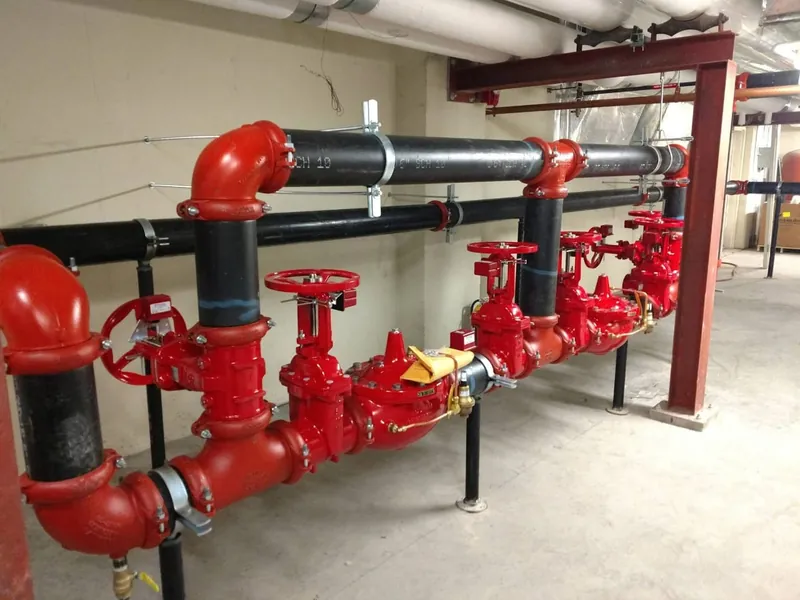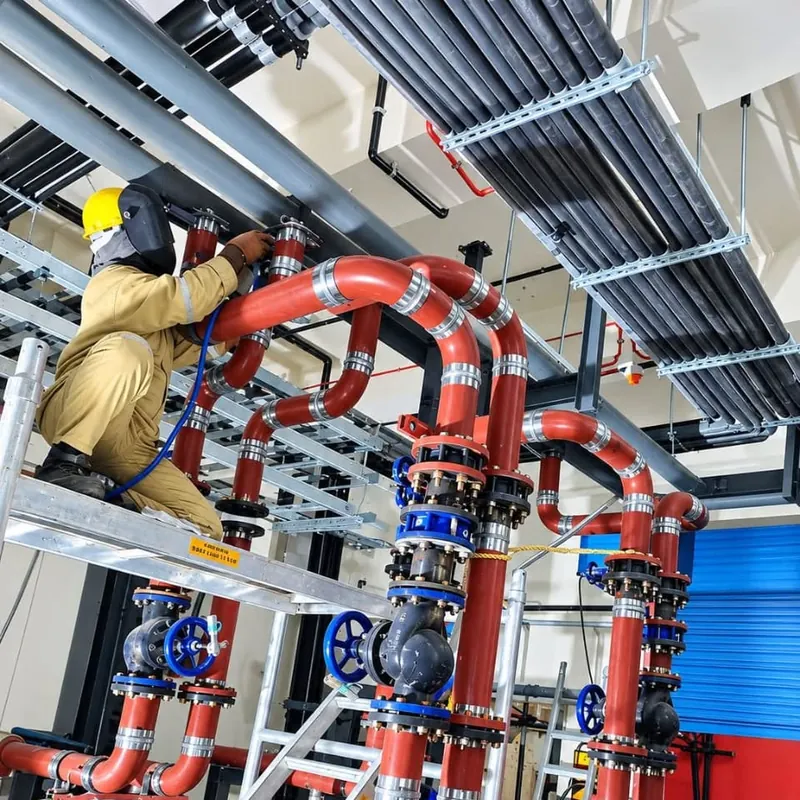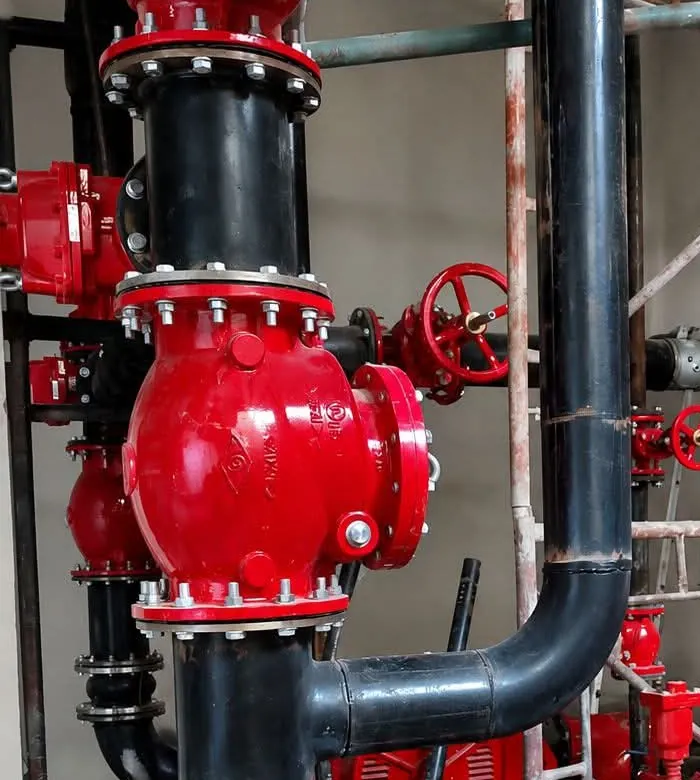
Why Every Hotel in Zanzibar Needs a Reliable Fire Protection System
Sleeping guests, busy kitchens, generators and thatched roofs make hotels one of the most demanding environments for fire safety. Here is what a reliable system looks like.
Practical guidance on fire protection systems, fire safety management and maintenance for buildings in Zanzibar and Tanzania.
20 articles · page 1 of 3
Sleeping guests, busy kitchens, generators and thatched roofs make hotels one of the most demanding environments for fire safety. Here is what a reliable system looks like.
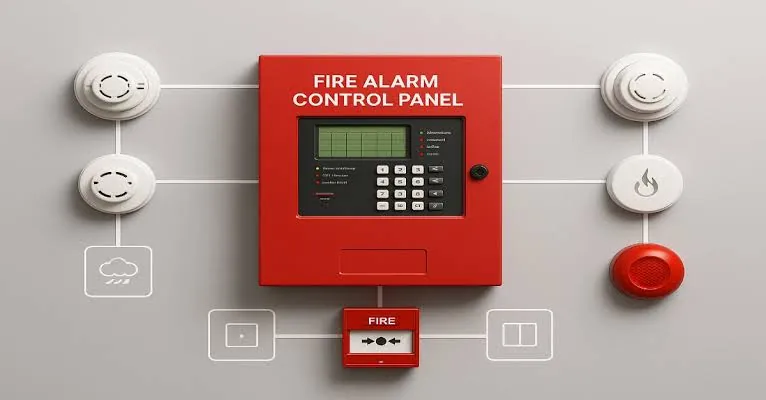
Both systems detect fire and raise the alarm. The difference is how precisely they tell you where the fire is — and that affects response time, cost and maintenance.
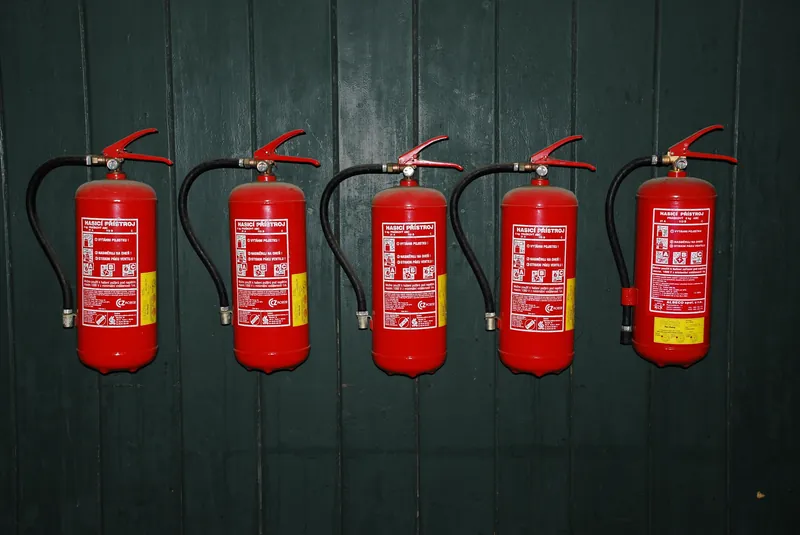
Using the wrong extinguisher can make a fire worse. This guide explains the main extinguisher types, the fires they are designed for and where each is typically used.
An extinguisher that has lost pressure or been moved is no help in an emergency. Simple monthly checks and periodic servicing keep equipment ready.
Sprinklers operate individually, close to the fire, while it is still small. Here is how they work and what goes into designing a system.
Requirements vary by property, but most hotels need the same building blocks: detection, warning, escape, firefighting provisions, maintenance and trained staff.
Hydrant systems give firefighters reliable access to large volumes of water. Here is how they work and what determines their design.
A fire risk assessment is the foundation of every good fire safety plan. It tells you what could go wrong, who could be harmed and what to do first.
Hot oil, gas, grease-laden ducts and busy staff make commercial kitchens a frequent source of fires. Most incidents are preventable.
Tell us about your building and what you need. We will review it and recommend a practical way forward.