Hotel and Hospitality Safety
Fire Safety Requirements for Hotels and Resorts
Requirements vary by property, but most hotels need the same building blocks: detection, warning, escape, firefighting provisions, maintenance and trained staff.
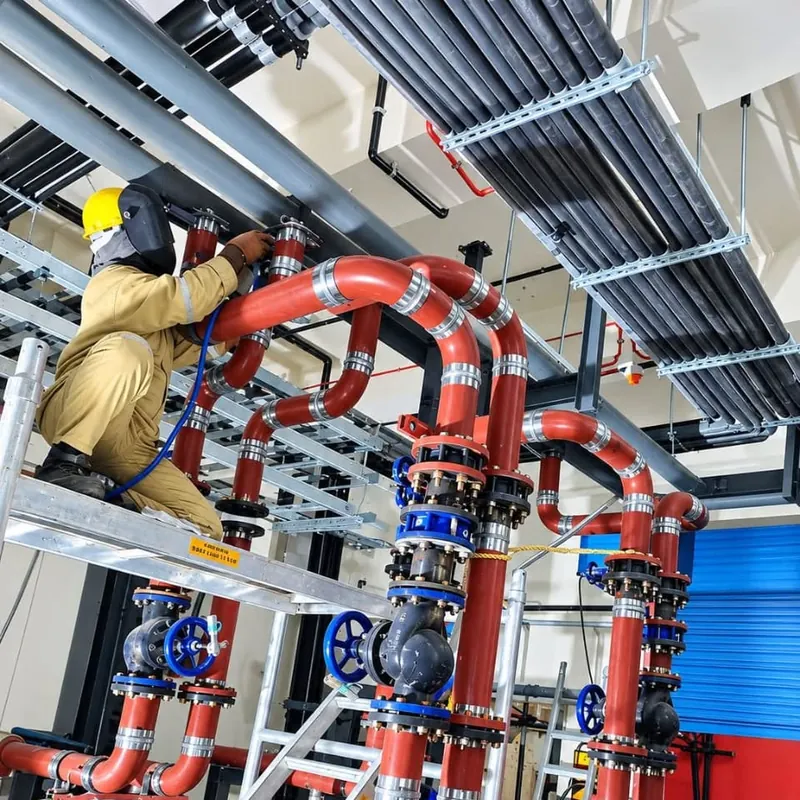
Effective fire protection begins with a clear understanding of the premises and the risks to be managed. Omega provides consultancy and design support within the agreed scope of each engagement.
Good fire protection decisions start before any equipment is ordered. Understanding how a building is used, who occupies it and what could cause or spread a fire shapes every later choice — from detector types to pump sizes.
Omega provides consultancy and engineering design support for new projects and existing buildings. Technical recommendations and design deliverables should be reviewed by appropriately qualified persons and accepted by the relevant parties before implementation, where required.
Reviewing ignition sources, combustible materials, people at risk, escape arrangements and existing precautions to identify issues and prioritise control measures. Scope, methodology and responsibilities are agreed before work begins.
System layouts, device and equipment locations, design notes and coordination information — developed according to project stage, available information, the client brief and authority requirements.
Layouts, schematics and equipment schedules prepared for coordination, procurement and installation.
Review of specified aspects of an existing installation, its apparent condition, available records and observed deficiencies. Areas not accessed or tests not performed are identified.
Structured reviews of a building’s fire safety arrangements against the agreed scope and applicable requirements, with prioritised recommendations.
Where required, support with preparing and coordinating fire safety documentation for review by relevant authorities or stakeholders. Approval remains subject to the applicable authority process and is not guaranteed by submission support.
Coordination with architectural, structural, mechanical, electrical, plumbing and life-safety works — identifying interfaces, access, equipment spaces, power and water needs and sequencing early.
Understanding risks first avoids costly changes once construction is under way.
Early coordination identifies clashes with other services before installation.
Drawings and schedules support procurement, installation and submissions.
Assessments and audits help you focus budget on the most important measures.
Hydrants, fire monitors, hose reels, automatic sprinklers, fire pumps, water storage and special hazard suppression.
View serviceSmoke, heat and flame detection, control panels, manual call points, sounders and beacons — conventional or addressable.
View serviceFunctional, flow, pressure and interface testing, preventive maintenance, inspection reporting, repairs and upgrades.
View service
Requirements vary by property, but most hotels need the same building blocks: detection, warning, escape, firefighting provisions, maintenance and trained staff.
A fire risk assessment is the foundation of every good fire safety plan. It tells you what could go wrong, who could be harmed and what to do first.
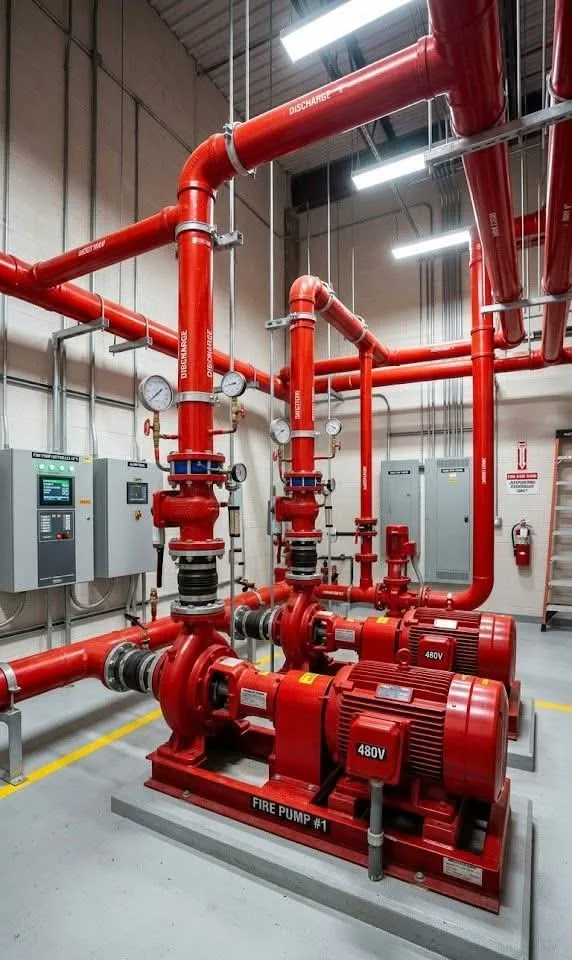
Patients who cannot walk, oxygen in use and 24-hour operation change everything about fire safety planning. Here is how healthcare facilities approach it.
Tell us about your building and what you need. We will review it and recommend a practical way forward.