Requirements vary by property, but most hotels need the same building blocks: detection, warning, escape, firefighting provisions, maintenance and trained staff.
Hotel owners and managers often ask what fire safety measures are "required". The honest answer is that it depends on the property — its size, height, layout, construction and use — and on the requirements of the relevant authorities. However, most hotels need the same core building blocks.
Note: This article provides general guidance only. Specific requirements for your property should be confirmed with the relevant fire and rescue authority and qualified professionals.
1. Fire detection and alarm
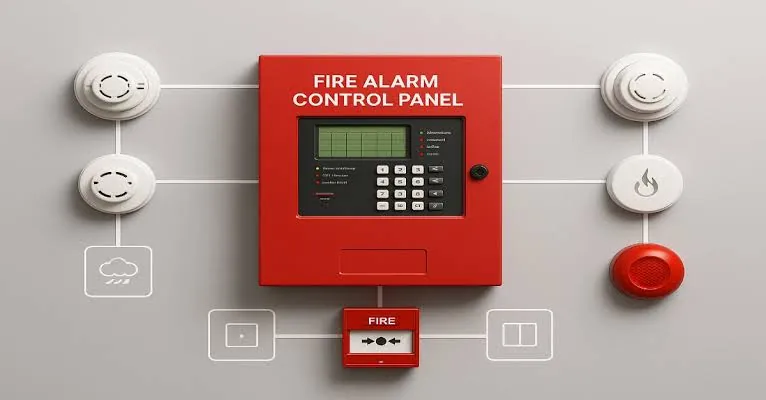
- Detection in guest rooms, corridors, public areas and back-of-house
- Heat detection where smoke detectors would cause false alarms, such as kitchens
- Manual call points along escape routes
- Sounders loud enough to wake sleeping guests
- Visual alarms where needed
2. Means of escape
- Escape routes kept clear and unlocked during occupancy
- Fire doors that close properly
- Emergency lighting
- Exit signs guests can follow
- Escape plans displayed in rooms
3. Firefighting provisions
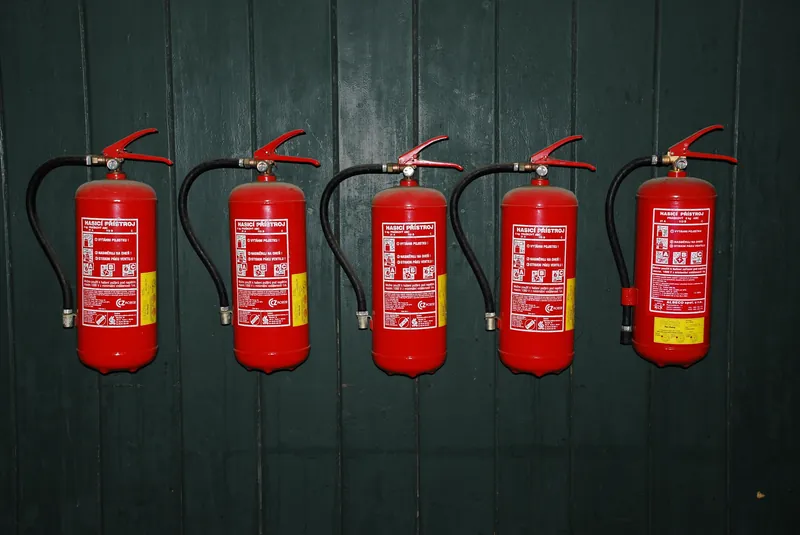
- Portable extinguishers suited to the hazards in each area
- Fire blankets and wet chemical extinguishers in kitchens
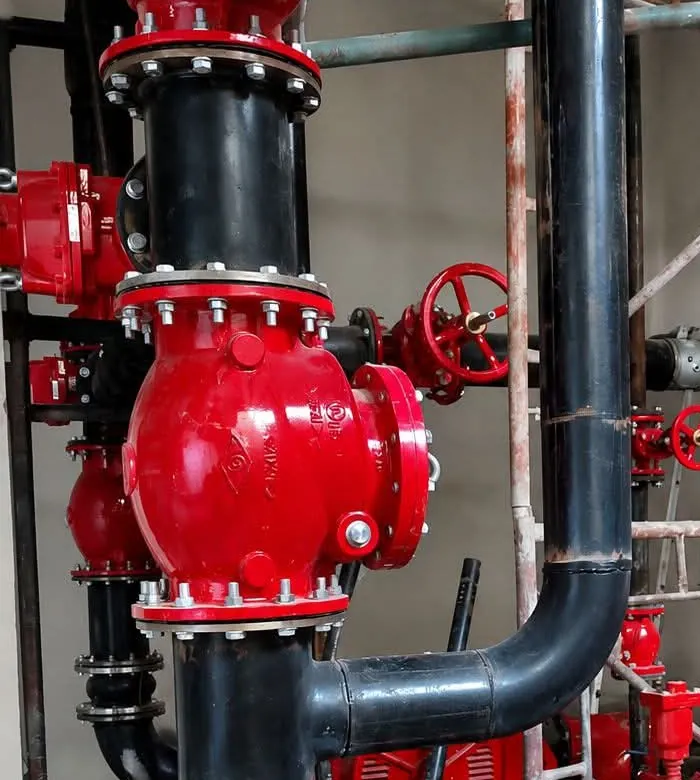
- Hose reels or hydrants as appropriate to the property
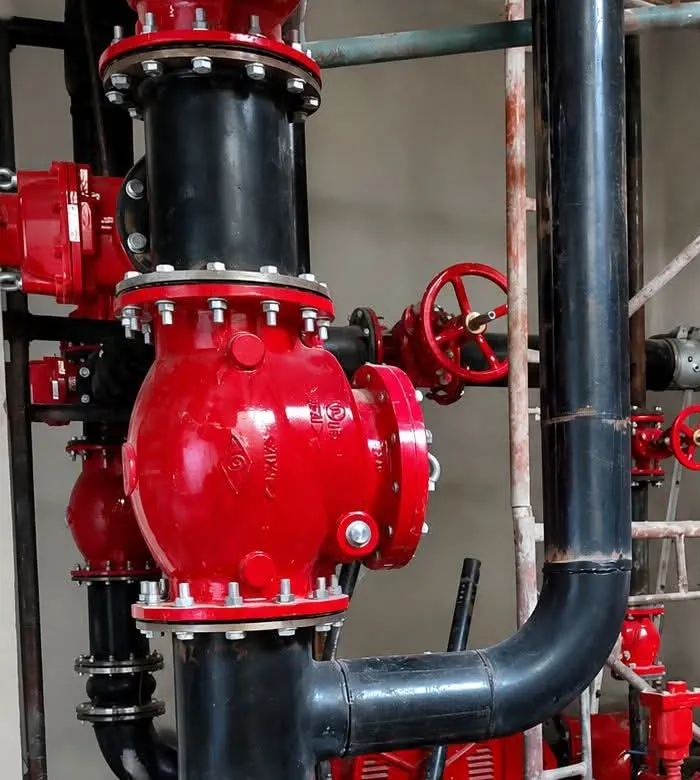
- Sprinklers where the building or its requirements call for them
4. Kitchen fire safety
Kitchens deserve specific attention: extraction duct cleaning, gas safety, suppression over cooking lines where appropriate and staff trained in what to do.
5. Maintenance and records
All systems and equipment need regular inspection, testing and servicing, with records kept.
6. Management and training
- A fire safety plan and evacuation procedure
- Staff trained to raise the alarm and assist guests
- Regular drills
- Responsibilities clearly assigned
Practical next steps
- Review the property with a fire risk assessment.
- Identify gaps against the property’s requirements.
- Prioritise actions — life safety first.
- Put a maintenance programme in place.
Omega can support each step. Contact us to arrange a site visit.
Related services
Related industries