Sleeping guests, busy kitchens, generators and thatched roofs make hotels one of the most demanding environments for fire safety. Here is what a reliable system looks like.
Zanzibar’s hospitality sector ranges from boutique guesthouses in Stone Town to large resorts along the east coast near Paje, Jambiani and Michamvi. Whatever the size, every property shares one challenge: protecting guests who are often asleep, unfamiliar with the building and far from home.
Why hotels carry a higher fire risk
Hotels combine several risks in one place:
- Sleeping occupants. Guests may not notice smoke until it is too late without early detection and a loud, clear alarm.
- Unfamiliar layouts. Guests do not know where the exits are, especially at night or in villa-style resorts with long paths.
- Commercial kitchens. Cooking oils, gas and extraction ducts are a leading source of hotel fires.
- Laundries, generators and fuel. Back-of-house areas often contain heat, lint, fuel and electrical equipment.
- Construction materials. Many coastal resorts use makuti (thatched) roofs and timber, which can allow fire to spread quickly.
What a reliable system includes
A reliable fire protection arrangement is more than a few extinguishers on the wall. It usually combines:
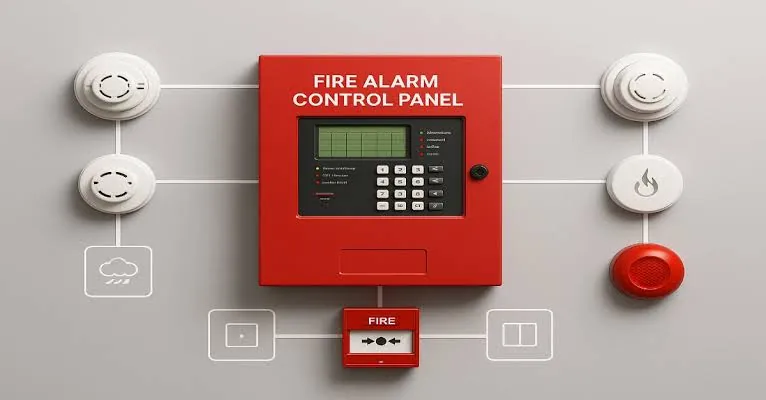
- Detection and alarm. Smoke detectors in rooms and corridors, heat detectors in kitchens and laundries, manual call points on escape routes, and sounders that wake sleeping guests.
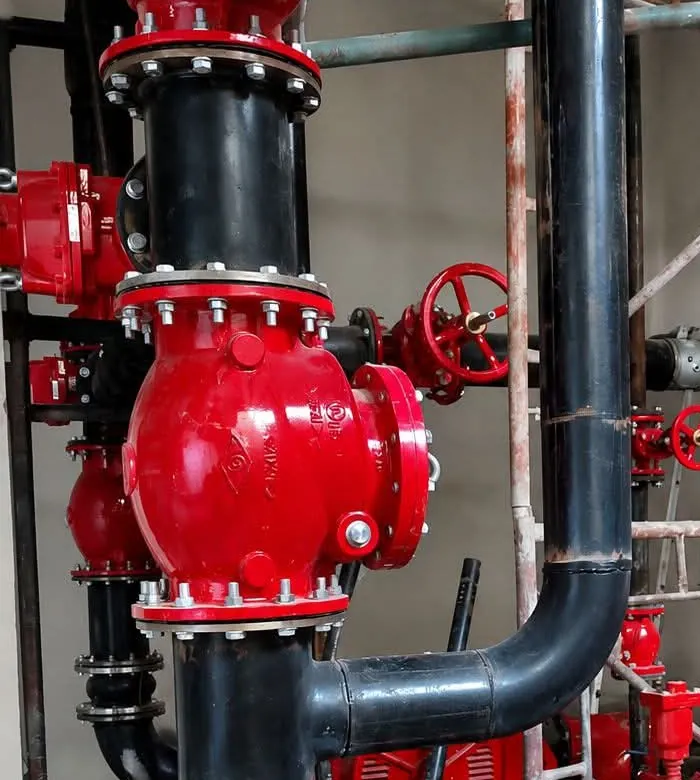
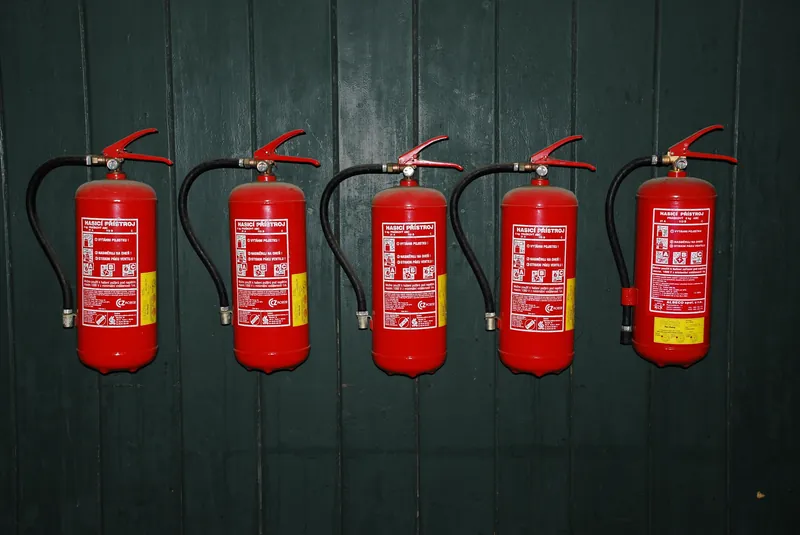
- Firefighting provisions. Hose reels and extinguishers for first response; hydrants and, where required, sprinklers for larger properties.
- Kitchen protection. Wet chemical extinguishers and fire blankets near cooking lines, and suppression systems over hoods where appropriate.
- Clear escape routes and signage. Routes kept free of obstructions, with signs guests can follow.
- Maintenance and records. Equipment that is inspected, tested and serviced so it works when needed.
The cost of getting it wrong
A fire can injure guests and staff, close a property for months and damage a reputation built over years. Insurers and tour operators increasingly ask hotels to demonstrate that their fire safety arrangements are maintained.
Coastal conditions matter
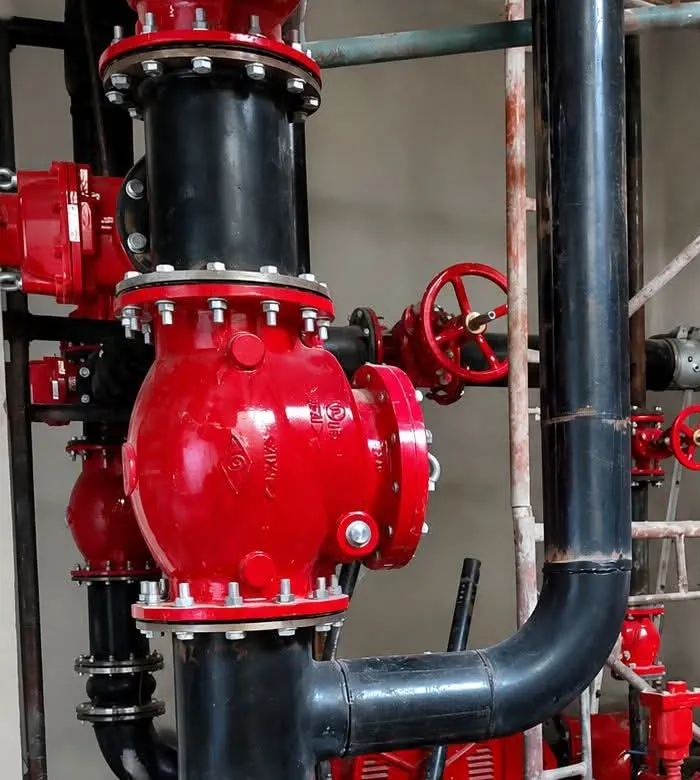
Salt air and humidity along Zanzibar’s coast accelerate corrosion of valves, pump sets, cabinets and detector bases. Equipment selection and maintenance frequency should account for this.
Where to start
Start with a site assessment that looks at how the property is actually used — guest areas, kitchens, plant rooms and staff accommodation. From there, priorities can be set and a practical plan agreed.
Omega Fire Safety and Engineering Ltd is based in Paje and supports hotels and resorts with assessment, system design, supply, installation, testing and maintenance. Request a consultation to discuss your property.
Related services
Related industries