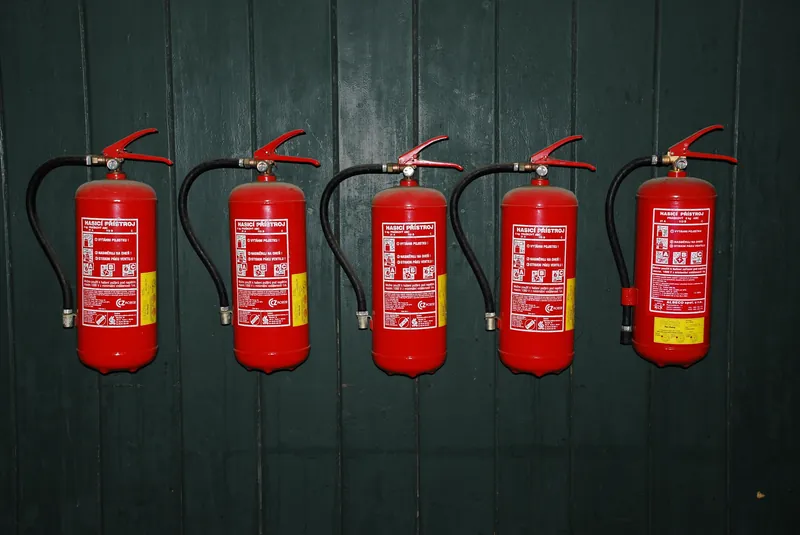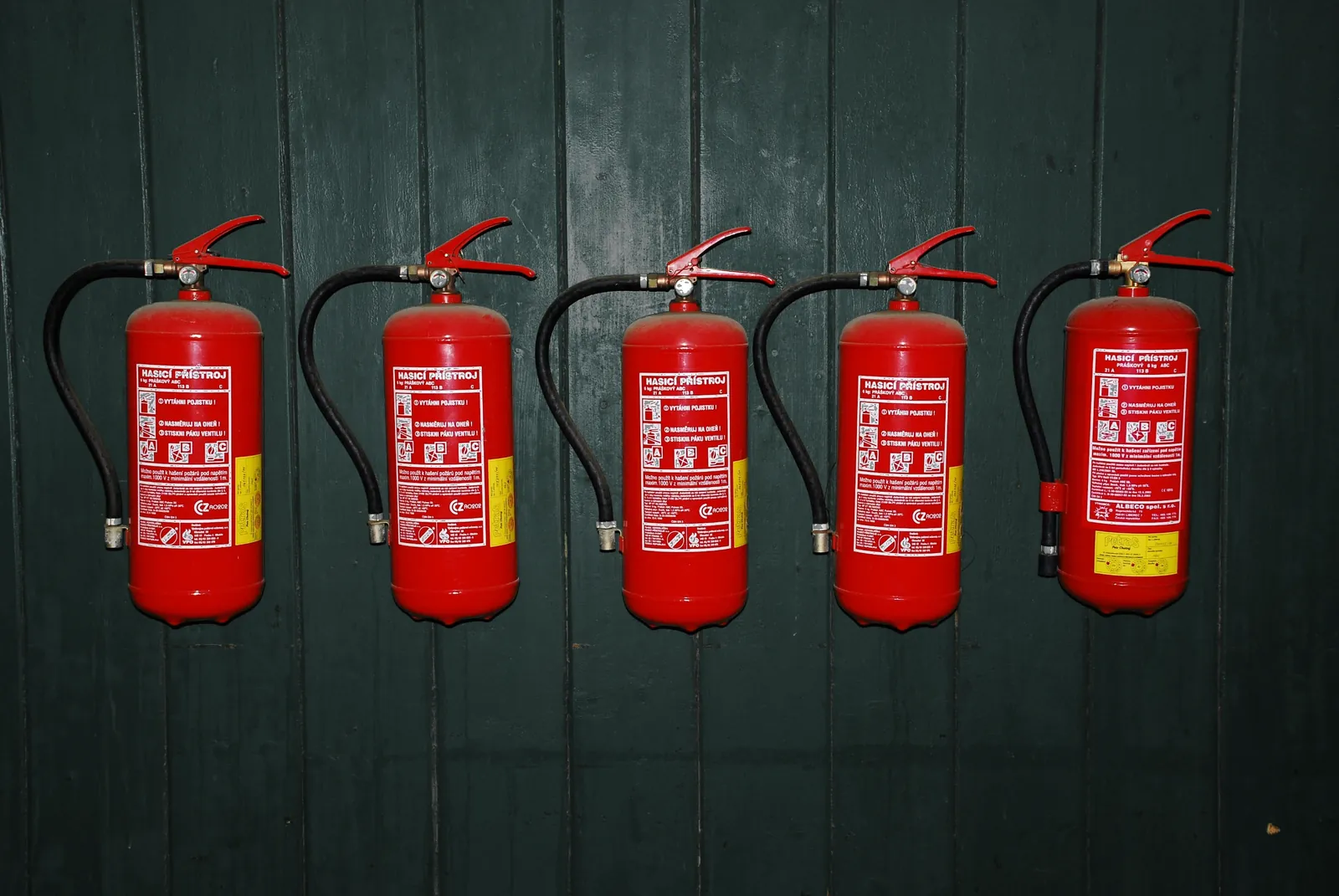
An extinguisher that has lost pressure or been moved is no help in an emergency. Simple monthly checks and periodic servicing keep equipment ready.
A fire extinguisher may hang on a wall for years without being used. When it is finally needed, it must work first time. Regular inspection is how you make sure it will.
What can go wrong
Over time, extinguishers can:
- Lose pressure through slow leaks
- Be discharged and not replaced
- Be moved or blocked by furniture and stock
- Suffer corrosion, especially in coastal environments like Zanzibar
- Have damaged hoses, horns or seals
- Go past their service or test date
Routine visual checks
Many standards recommend a quick visual check, often monthly, by the building owner or a designated person. Check that:
- The extinguisher is in its designated place and clearly visible.
- Nothing blocks access to it.
- The pressure gauge (if fitted) is in the operable range.
- The safety pin and tamper seal are intact.
- There is no obvious damage, corrosion or leakage.
- The hose or horn is not cracked or blocked.
- The instructions are legible.
- The service label is current.
Record the check — a simple tag or logbook is enough.
Periodic servicing by a competent person
In addition to visual checks, extinguishers need periodic servicing by a competent technician, commonly annually. Servicing may include checking weight and pressure, inspecting internal parts where required, replacing seals and recording the work. Some extinguishers also need periodic extended servicing or pressure testing, depending on type and the applicable standard.
Coastal conditions
Salt air accelerates corrosion. In beachfront hotels and properties near the sea, check equipment more often and consider protective cabinets for exposed locations.
After use
Any extinguisher that has been used — even partially — should be recharged or replaced immediately. A partly discharged extinguisher may not have enough agent for the next fire.
Keeping records
Inspection records help demonstrate that equipment has been maintained and are often requested by insurers and inspectors.
Omega supplies, installs and inspects portable fire equipment across Zanzibar. Contact us to arrange an inspection.
Related services
Related industries