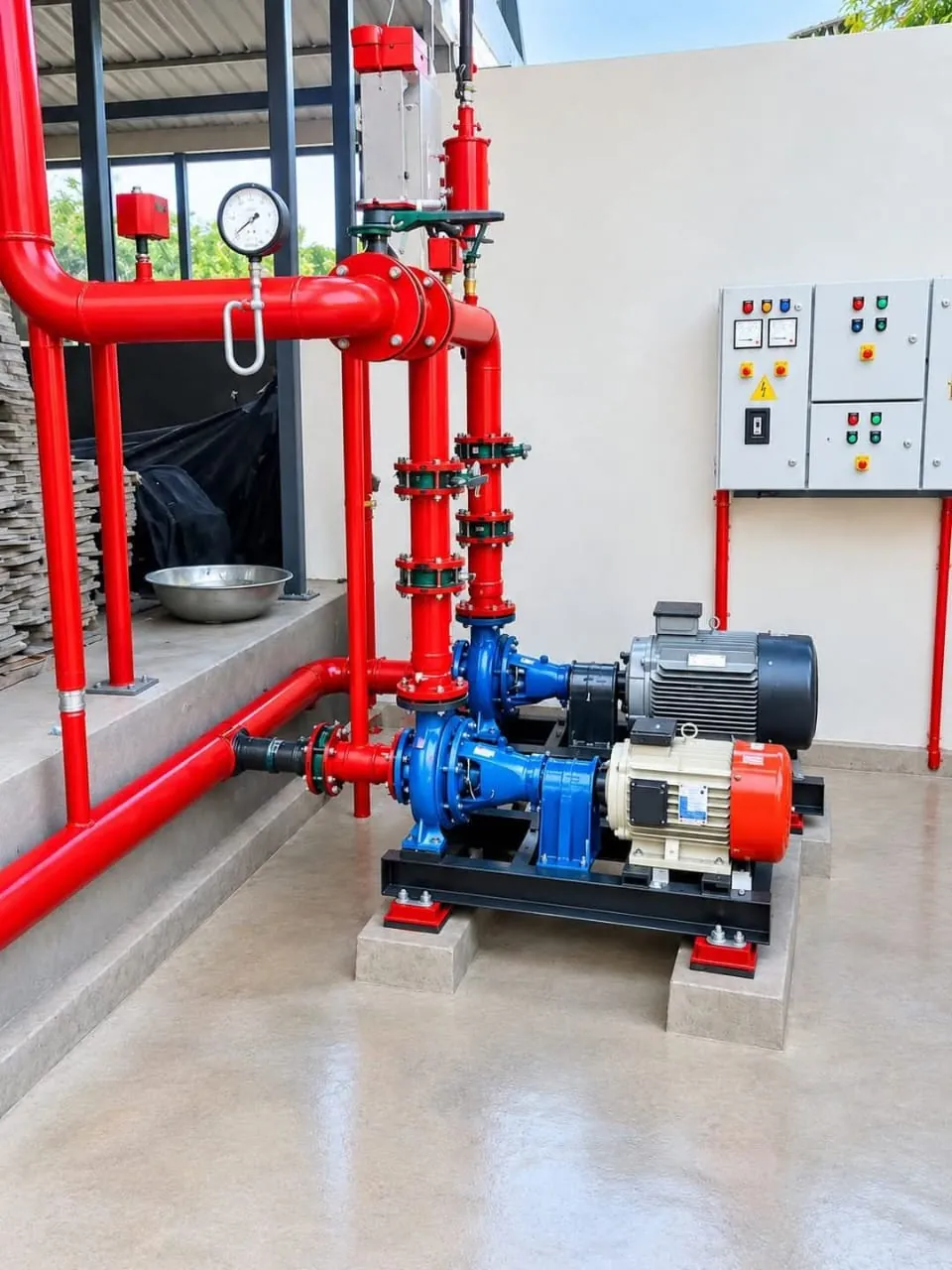
A fire pump may sit idle for years, then must start instantly and run at full duty. Regular testing is the only way to know it will.
The fire pump is the heart of many sprinkler and hydrant systems. When the water supply alone cannot deliver the required pressure and flow, the pump makes up the difference. If it fails to start, the whole system may fail.
How a fire pump set works
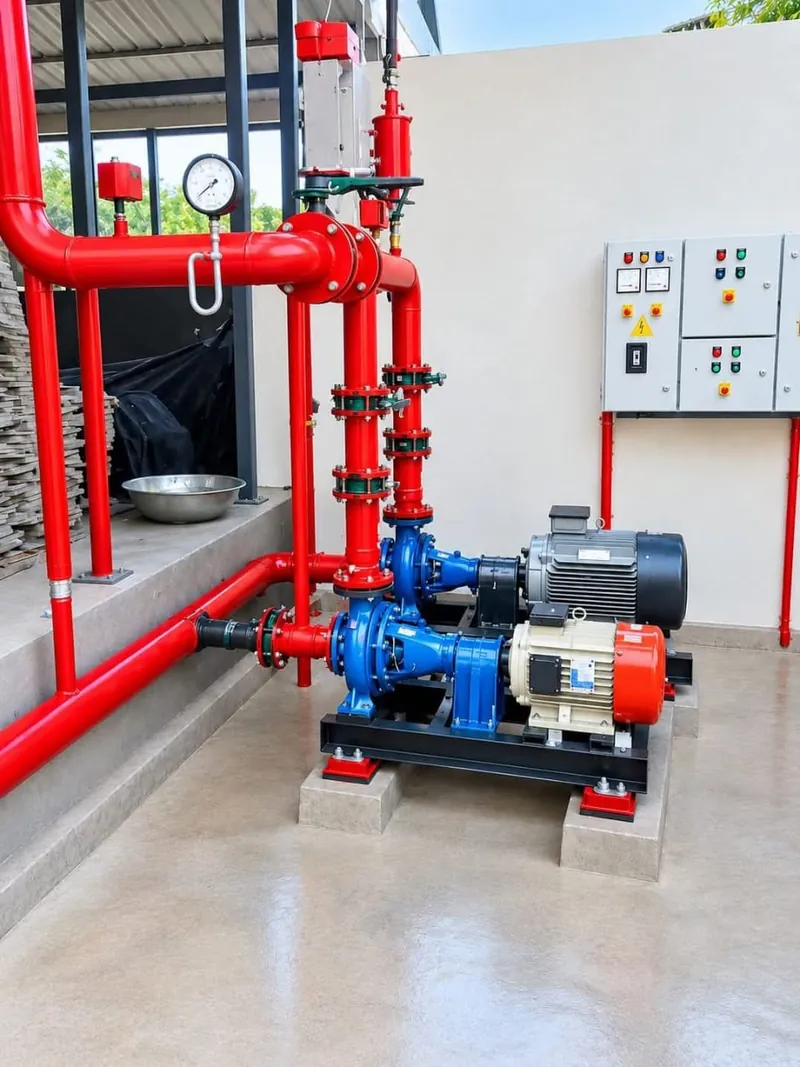
A typical set includes:
- Main (duty) pump — electric or diesel, sized for the system’s design demand
- Standby pump — often diesel, providing backup if power fails
- Jockey pump — a small pump that maintains system pressure and compensates for minor leaks
- Controllers — which start pumps automatically when pressure drops
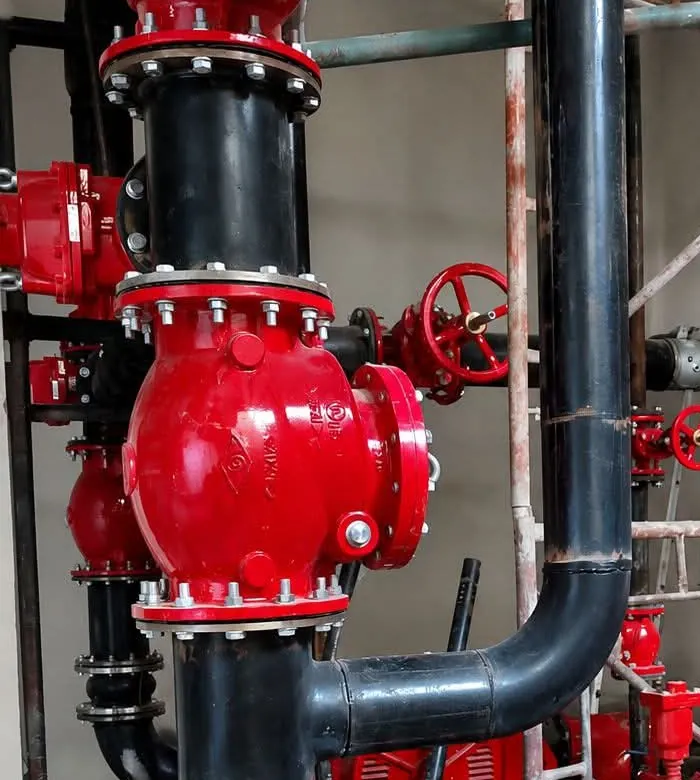
- Valves, gauges and pipework — including test lines to measure flow
When a sprinkler opens or a hydrant is used, system pressure falls. The controller detects the drop and starts the main pump.
What can go wrong
- Batteries for diesel engines discharged or failed
- Fuel tanks empty, contaminated or leaking
- Controllers set incorrectly or switched to manual
- Valves left closed after maintenance
- Seized bearings or seals from long periods without running
- Suction strainers blocked
- Corrosion from humid, salty air in coastal locations
Many of these faults are invisible until the pump is needed.
Routine checks and tests
Maintenance frequencies are set by the applicable standard, manufacturer guidance and the system’s risk profile. Typical activities include:
- Weekly or regular churn runs — starting the pump and running it for a set period to confirm it starts automatically and runs smoothly
- Checking pressures on suction and discharge gauges
- Diesel engine checks — fuel level, oil, coolant, batteries, belts
- Valve position checks — confirming isolating valves are open and secured
- Periodic flow tests — measuring the pump’s output against its rated performance
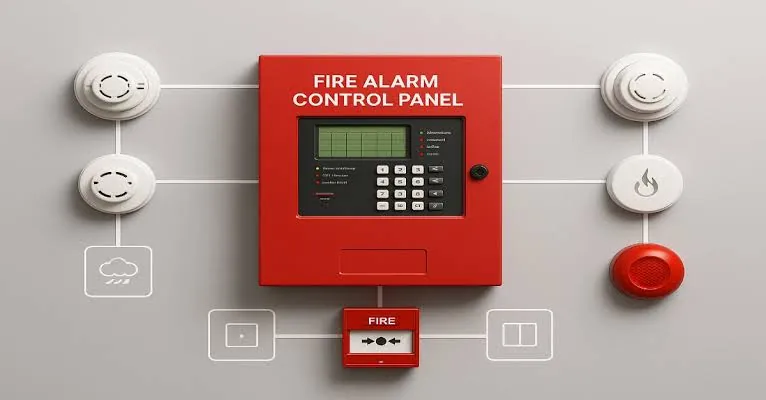
- Controller and alarm checks — confirming signals reach the fire alarm or monitoring system
The jockey pump warning sign
If the jockey pump starts very frequently, the system may have a leak. Frequent cycling should be investigated rather than ignored.
Keep records
Logbooks recording each test, reading and fault help identify trends and demonstrate that the system is maintained.
Omega provides fire pump testing, inspection and maintenance. Contact us to schedule a service.
Related services
Related industries