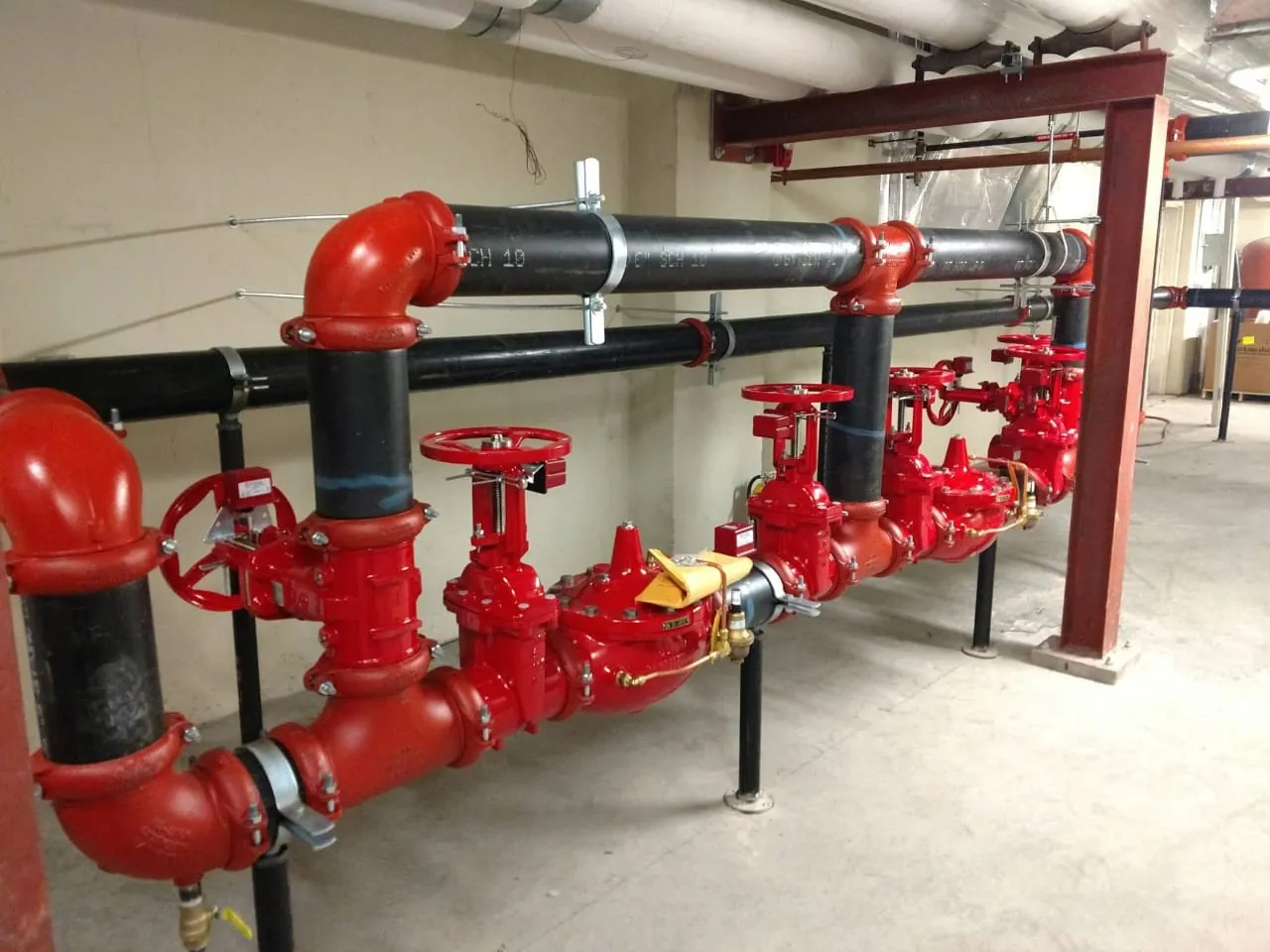
Installing systems is only the beginning. Owners and managers remain responsible for keeping buildings safe throughout their life.
When a building is completed and occupied, fire safety does not stop. Owners, landlords and facility managers carry ongoing responsibility for keeping occupants safe.
Note: This article is general guidance. Legal duties depend on the applicable laws and the relevant authorities in Zanzibar and mainland Tanzania. Seek advice for your specific situation.
Key responsibilities
1. Understand your risks
Carry out and maintain a fire risk assessment, and review it when the building or its use changes.
2. Provide appropriate precautions
Make sure the building has suitable detection, warning, escape routes, firefighting provisions and signage for its use and occupancy.
3. Maintain systems and equipment
Arrange regular inspection, testing and servicing of:
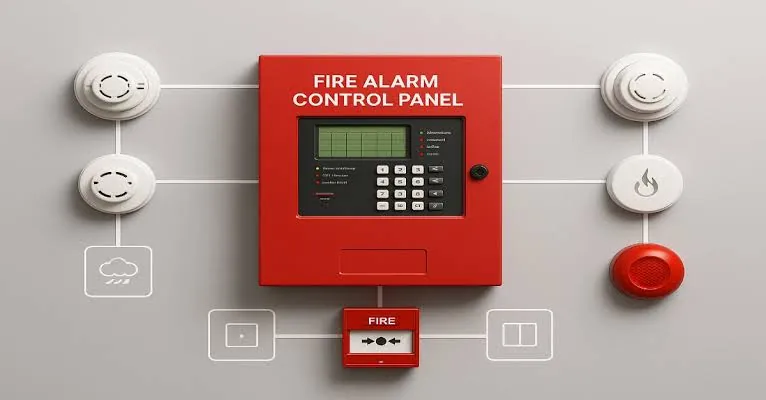
- Fire alarm and detection systems
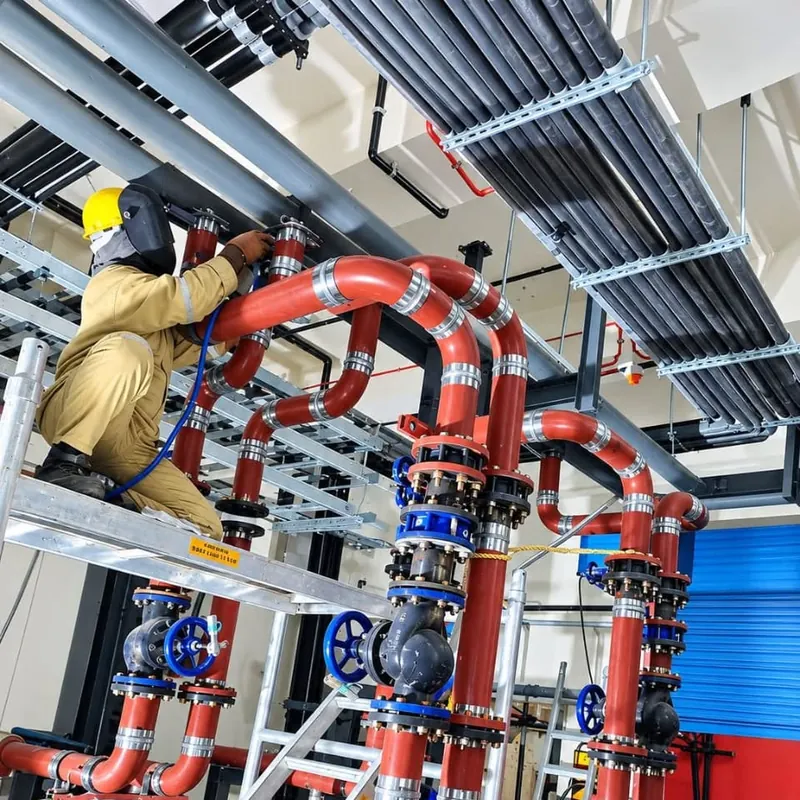
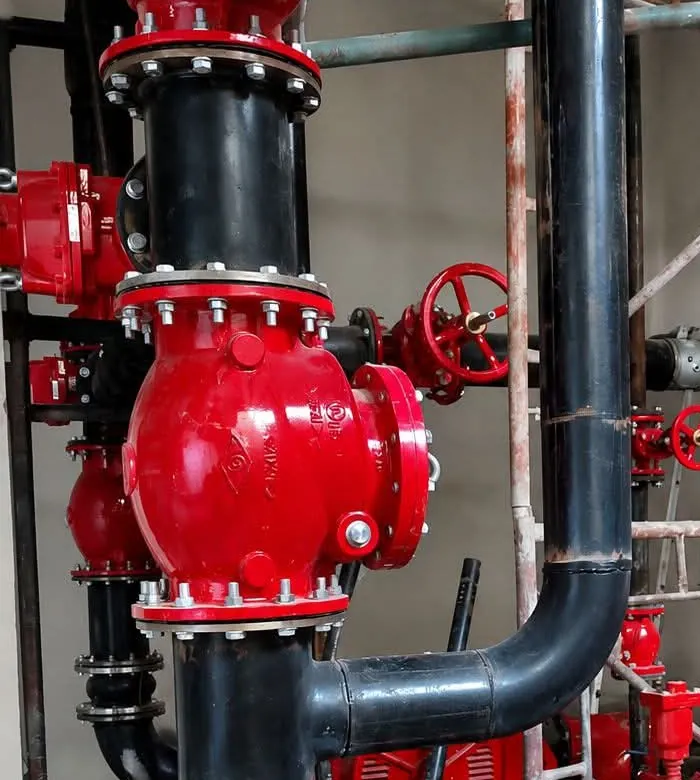
- Sprinklers, hydrants, hose reels and pumps
- Extinguishers and fire blankets
- Emergency lighting
- Fire doors
4. Keep escape routes clear
Corridors, stairs and exits must be free of obstructions and unlocked when the building is occupied.
5. Plan for emergencies
Prepare an emergency and evacuation plan, including arrangements for people who need assistance.
6. Train people
Make sure staff know how to raise the alarm, use equipment where safe and evacuate. Hold regular drills.
7. Keep records
Record inspections, tests, maintenance, training and drills. Records demonstrate that duties are being managed and are often requested by insurers and inspectors.
8. Manage changes
Renovations, new tenants and changes of use can affect fire safety. Review arrangements before changes are made.
9. Coordinate with tenants
In multi-tenant buildings, agree who is responsible for what.
Working with the authorities
Engage early with the relevant fire and rescue authority on new projects and significant changes.
Omega supports building owners with assessments, maintenance programmes and system upgrades. Talk to us.
Related services
Related industries